Active listening
Listen for meaning, not just words.
 EnhancedXP
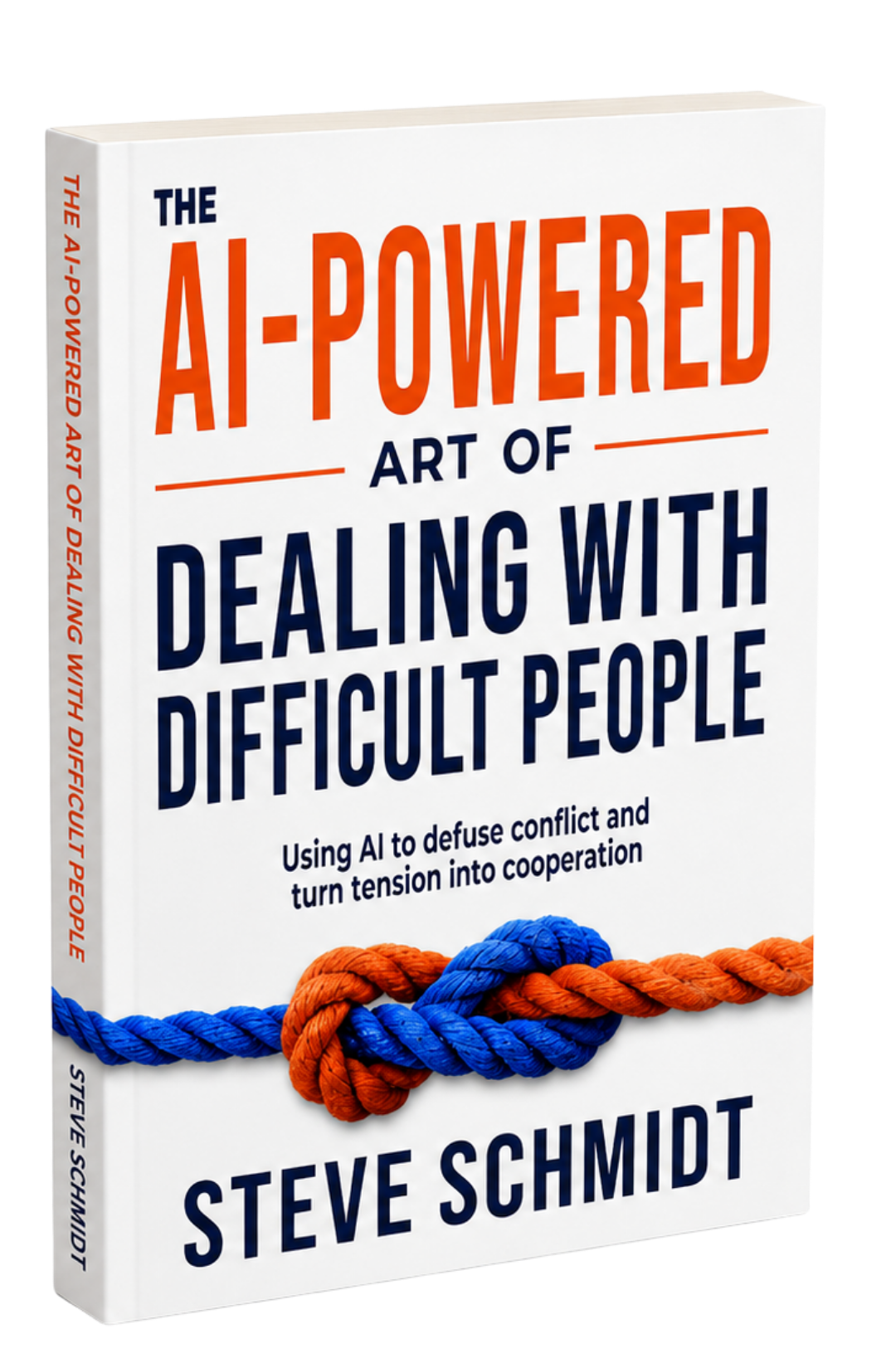
A practical book + rehearsal method
Use AI to rehearse difficult conversations, test your wording, anticipate reactions, and walk in prepared.
Most people walk into hard conversations hoping. You get to walk in rehearsed.
A small demonstration
Type a sentence you’re considering using in a difficult conversation. See how it might land—and how you could make it more effective.
Use a real sentence, without names or private details.
Your practice analysis will appear here.
There is rarely one “perfect” sentence. The goal is to think, test, and prepare.This is the kind of practice the book teaches you to do with AI—using your situation, your words, and your goals.
This pattern-based educational demonstration is not therapy, legal advice, crisis support, or professional counseling.
Start with your situation
Ask AI to play the coworker who disagrees with your version of events. Practice naming the impact without attacking intent.
The rehearsal loop
Work out what you actually want to say before emotions and pressure take over.
Simulate how the other person might respond and practice your response.
Find words that could trigger resistance and improve them before the real conversation.
Show the method
“My coworker constantly interrupts me during meetings.”
What do I want to be different after this conversation?
Put the concern into clear, respectful language.
Spot absolutes, blame, assumptions, or commands.
Let AI play a coworker who disagrees or gets defensive.
Respond calmly without abandoning the goal.
Choose wording that sounds natural in your own voice.
Why this book is different
Many communication books offer useful strategies, then leave you alone to translate them into your own complicated, emotional situation. This book pairs those strategies with AI prompts that help you practice on the conversation you are actually facing.
This isn’t about asking AI to write an email. It’s about collaborating with AI to prepare for a very human conversation.
The strategy works the problem from your perspective—not the author’s.
Inside the book
Listen for meaning, not just words.
Understand without automatically agreeing.
Lower resistance by inviting thought.
Be clear without becoming combative.
Change the frame without denying the problem.
Say what you want—not only what you don’t.
Focus on choices within your control.
Know when humor helps and when it wounds.
Find a shared outcome to work toward.
Reduce heat without surrendering the issue.
Make the possible outcome more realistic.
Keep access to your best thinking.
An independent reader review
“There are so many good little nuggets in this book. I have just loved it… so much that I bought another copy to send to my sister.”
— Jill Thornton, The Menopausal Mom
Visit Jill’s YouTube channel
Who this book is for
You can’t control how other people behave. You can decide never again to be caught without the words.
Prepare for what matters
Build the confidence that comes from knowing what you want to say, how it may be heard, and how you’ll respond if the conversation gets hard.